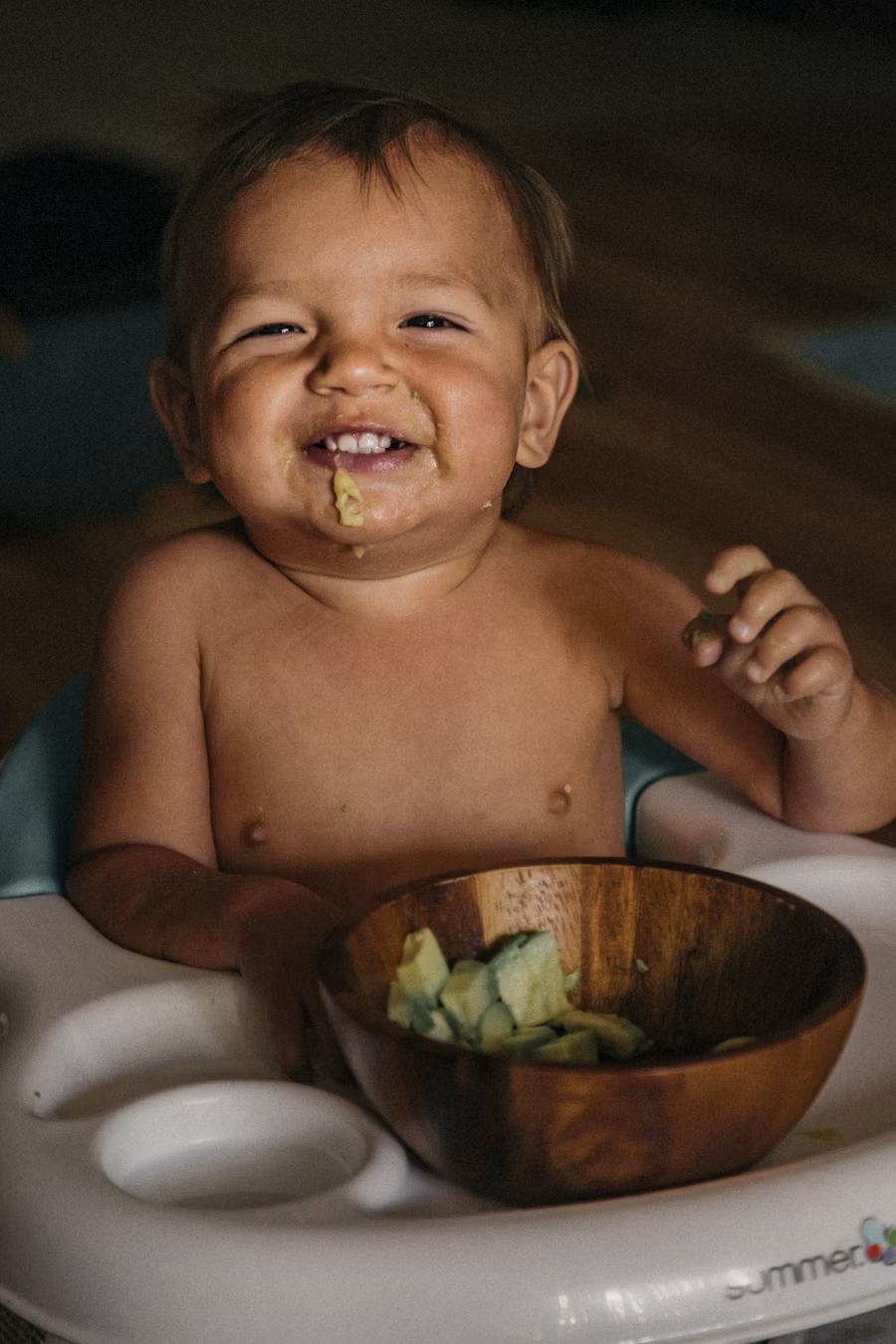
Every child is unique, but in the first 1,000 days of life, the brain grows faster than at any other time.
The food your toddler eats now supports that growth and builds healthy habits for life. A varied, balanced diet gives them the energy and nutrients to grow, learn and play.
(5.5lbs)
0
From pregnancy to age two, when nutrition shapes the brain most.
1
A toddler's day
Small stomachs need regular refuelling. Aim for 3 meals and 2–3 healthy snacks.
Meal
Breakfast
Porridge or wholegrain cereal with milk and fruit
Snack
Morning
Fruit slices, yoghurt or cheese cubes
Meal
Lunch
Protein, starchy food and vegetables
Snack
Afternoon
Toast fingers, hummus or vegetable sticks
Meal
Afternoon
A small portion of the family meal
Let your toddler lead. They decide how much to eat, and appetites change from day to day.
2
Milk after 12 months
Milk becomes a drink, not a meal. You can keep breastfeeding for as long as you and your child want.
From 12 months: Full-fat cow’s milk as a main drink
12–18 months: Move from bottle to an open cup
From 2 years: Lower-fat milk if your child eats and grows well
Growing-up milks aren’t necessary for most toddlers. Too much milk can fill them up and leave less room for iron-rich foods.
3
A different diet
Toddlers aren’t small adults. For their size, they need more energy and nutrients than grown-ups, but their stomachs are still small.
Full-fat dairy
Choose full-fat milk, cheese and yoghurt until at least age 2.
Easy on fibre
Too many high-fibre foods fill small tummies before they get enough energy.
Low salt and sugar
Skip added salt, and avoid sweets and sugary drinks.
Water and milk
The best everyday drinks. Ask your doctor about vitamin D drops.
4
Food for toddlers
Offer something from each group every day.
Fruit & veg
A variety of colours
Starchy foods
Bread, rice, pasta, potatoes
Protein
Meat, fish, eggs, beans, lentils
Dairy
Milk, cheese, yoghurt
Fussy eating is normal. It can take 10–15 tries before a toddler accepts a new food.
Avoid choking: cut grapes and cherry tomatoes lengthways, and don’t give whole nuts to children under 5.
5
Development milestones
Toddlers learn something new almost every week. Around these ages, many children:
18 months
0M
Walk alone
Say several words
Feed themselves with a spoon
2 years
0y
Run and kick a ball
Put two words together
Copy what you do
3 years
0y
Climb well
Speak in short sentences
Play with other children
Avoid choking: cut grapes and cherry tomatoes lengthways, and don’t give whole nuts to children under 5.
This information is for general guidance only and doesn’t replace advice from your doctor, midwife or health visitor.
Breastfeeding is the best source of nourishment for infants. The World Health Organization (WHO) recommends exclusive breastfeeding for the first six months of life, with continued breastfeeding alongside appropriate complementary foods up to two years of age or beyond.
In situations where breastfeeding proves difficult, parents should seek healthcare professional advice on how to best meet their child’s nutritional needs.